


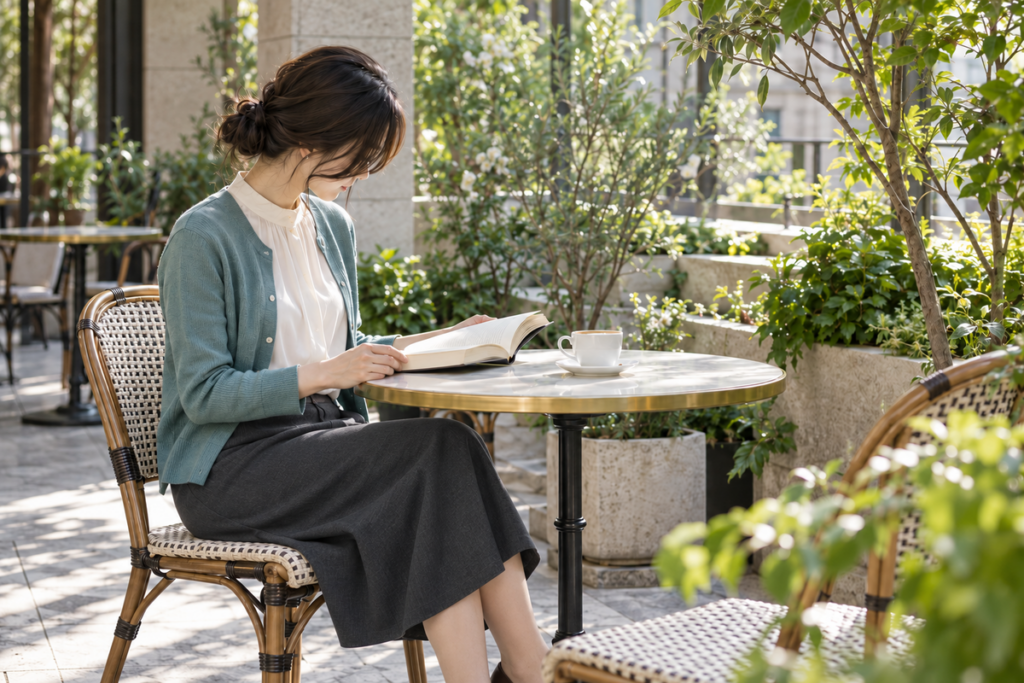
Is the profile photo really of that person? Has it been retouched? Can a shop profile tell you whether someone has appeared in AV? At Aoyama Princess, our Japanese FAQ states that all women are photographed in a studio. We do not disclose individual AV histories or AV stage names. These answers relate to different parts of a profile. Understanding the photo, the information next to it, and the introduction makes the whole page easier to read.
What does a profile actually tell you?
Our English-language listings present several details in a compact format: a name, an age in parentheses, height and body measurements, and a rank label. The name identifies the listing, while the numerical fields describe published attributes. This gives the photo a written context. The details are provided by the shop and are not independently verified by the page itself.
Each of these fields plays a different role in the layout. “Age,” “Height,” and “Bust” appear under “Sort By.” Rank has its own category, with labels such as Pearl and Black. A rank is therefore a shop classification shown alongside the profile, not a professional title. A rank label tells you how the shop groups its listings, not which films someone has appeared in.
A short introduction adds another layer: the shop’s description of the person. “Cheerful,” for example, appears among the “Features” on the listing page. A height entry and a description of personality convey different things: One states a physical attribute, while the other expresses an assessment of personality. This distinction matters even when both appear next to the same photo.
Some Japanese-language profiles also have separate fields for occupation, hobbies, and celebrity resemblance. These appear alongside the longer introduction and add context beyond the measurements. A resemblance field describes a similarity in appearance, not the identity of the person pictured. Likewise, an occupation label is part of the shop’s published profile information, not a disclosure of individual AV credits.
Even a detailed profile is not a biography. It may describe appearance and character while leaving a person’s entertainment career outside its scope.

JAV Escorts in Tokyo: Can You Really Meet an AV Actress, and How Does Booking Work? | Aoyama Princess
Searching for a “JAV escort” in Tokyo may bring a very specific picture to mind: finding an actress you have seen on screen, asking for her by name, and arrangi...
Is a genuine photo also unedited and up to date?
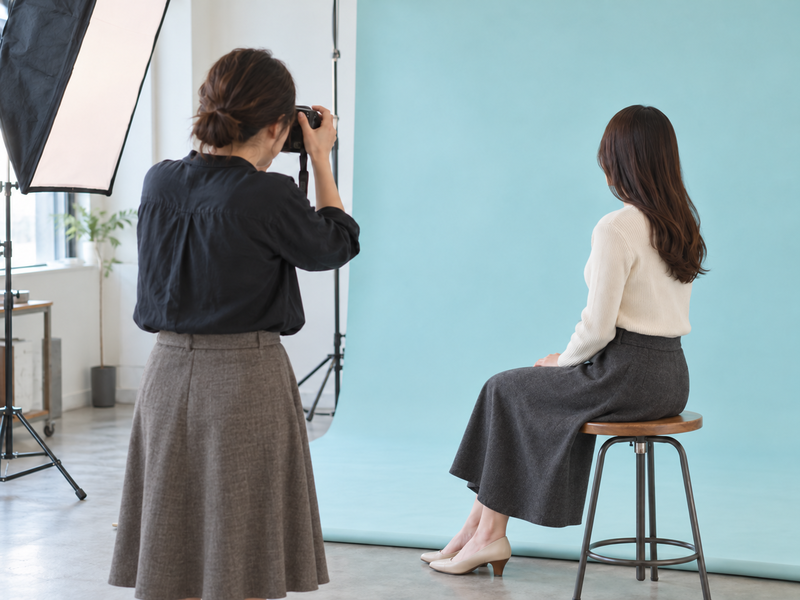
Not necessarily. Who was photographed, how the image was prepared, and whether it reflects her current appearance are separate questions. Our Japanese-language FAQ addresses the first: It states that all women are photographed in a studio and that stand-ins are not used. It does not describe a retouching process.
The advertising company Central Agent uses the term “panel photos” for profile photos in this industry. Starmaker Studio’s published guidance for this type of photography gives concrete examples of image adjustments: brightness, skin, and unwanted objects in the frame. These are examples of services offered by a photography business, not a description of how Aoyama Princess prepares its images.
These adjustments affect different parts of a photo. Changing the brightness alters how light or dark the image appears. Removing an unwanted background object changes the surroundings shown in the frame. Skin retouching changes how the skin appears. “Retouching” can cover all of these, so the term alone says less than a description of the specific work involved. An edited photo can still show the same person.
A photo also captures a particular moment: the hairstyle, clothing, and appearance at the time of the shoot. Even if a web page was updated today, its photo may have been taken earlier. Without a shooting date, the page date alone cannot tell you how old the image is, or what was edited.
A genuine portrait may still have been edited or taken some time ago. A shooting date and editing history would help clarify these points, but the FAQ alone does not provide them.
How do profile photos relate to shashin shimei?
Shashin shimei (写真指名), or photo-based nomination, means requesting a particular person based on a published photo and profile. Central Agent describes these materials as the basis for such requests. The term describes that basis, not what the photo can prove.
A photo shows the styling and expression presented in the image. The atmosphere it conveys is an impression, not confirmation of personality or career history. Publishing a profile photo does not mean disclosing an AV stage name or appearance history; those are separate disclosures.
Why might a stage name or AV history remain private?
A shop profile name, an entertainment stage name, and a record of AV appearances serve different purposes. The first identifies a public listing, the second is a name used in public work, and the third is a record of AV work. Publishing a name and an introduction does not necessarily reveal a connection to another professional identity. At Aoyama Princess, we do not disclose which individuals have AV experience or what their AV stage names are.
Information may be public in one setting without revealing its connection to another. A profile photo may show a person while keeping another part of her working life private. An omitted career history is therefore evidence neither of an AV career nor of its absence.
Privacy helps explain why connections between settings may matter. The advertising company Central Agent discusses people who prefer not to show their faces in profile photos because they do not want to be recognized. Hiding a face and withholding a stage name are different choices, but both may relate to recognition. This is a concrete example of a privacy concern, not an account of any particular woman’s circumstances.
Japan’s Personal Information Protection Commission explains that information may identify someone on its own or in combination with other information. A photo and a name from another setting may therefore reveal more together than either one alone. Being visible in one context is not the same as making every connection public. Reasons for withholding a name differ from person to person, and a profile alone cannot reveal an individual’s circumstances.

What can you conclude from the public profile?
The opening questions have different kinds of answers: Our FAQ explains who is photographed, the studio examples show what editing may involve, and our non-disclosure policy explains why individual AV histories and stage names are not listed. These explanations do not show when a particular photo was taken or how it was edited.
A profile is most meaningful when these parts are read in context: The image presents an appearance, the fields state attributes, and the introduction gives the shop’s description. Together, they offer a public presentation, not a complete record of someone’s life. There is no need to fill in the gaps by matching faces or guessing about careers. Clear information and respect for privacy can coexist.
This article is published by Aoyama Princess and covers profile information, photography, and personal privacy.
