


AV Idol, Gravure Model, or Talent? What Japanese Career Titles Mean
Imagine a woman in her twenties appearing in a fashion spread, a photobook, and a television talk show. This is a hypothetical example, but the puzzle it presents is familiar in Japanese entertainment: The same face may arrive with a different introduction each time. Model. Gravure idol. Talent. Has she changed careers, or has something else changed?
Even the word “idol” offers no single answer. In “AV idol,” AV means adult video, and the phrase refers to a performer in Japan’s adult-video industry. “AV actress” makes that work clearer in English. The title alone says nothing about singing. A gravure idol, meanwhile, is known for photographic work. An idol in a music group has yet another kind of public presence.
The interesting difference emerges when you look past the introduction and into the work. Clothes, photographs, television conversation, and music ask different things of a performer. They also give an audience different reasons to pay attention.
The Same Camera, a Different Reason to Look
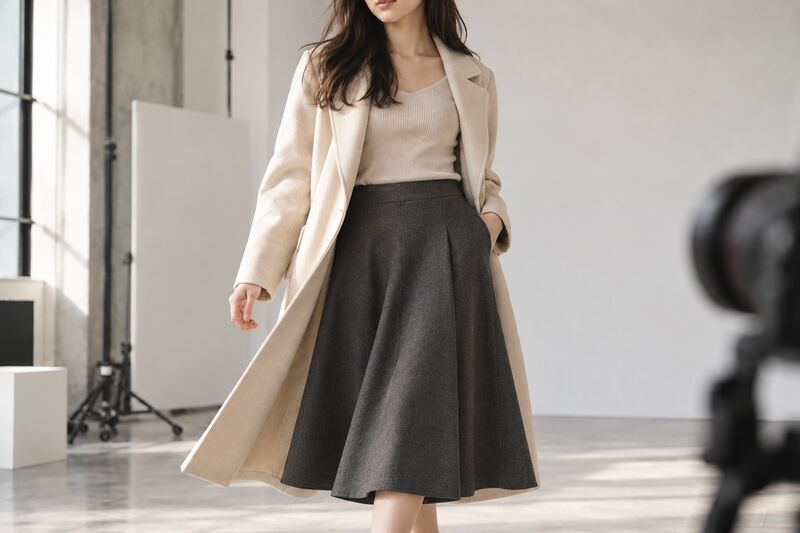
Take the fashion shoot in our imagined example. Suppose the model is wearing a long coat. The image needs to communicate its silhouette, the drape of the fabric, and how it looks on a person. Her posture and movement help turn a garment into something a reader can picture wearing. Her face matters, but so does what she shows about the clothes.
Now give that same model a photo feature built around a day by the sea. This, too, is an imagined assignment. The coast and the clothes establish a setting; the sequence of expressions and poses invites the reader to keep looking at her. The appeal lies in spending several pages with the featured person.
In this entertainment context, gravure refers to a genre of posed glamour photography. Swimwear, the model’s figure, and changing expressions may be part of its appeal. Shueisha’s descriptions of adult photobooks make those features explicit; one describes selecting swimwear photographs for a dedicated gravure edition. A beach location or a portrait alone does not define the genre. What matters is the way the pictures present the person and draw attention to her.

This change of emphasis helps distinguish fashion modeling from gravure. Both use styling, posing, and an eye for the camera. A useful question is what holds the pictures together: the presentation of clothes and a brand, or the appeal of the person being photographed? It is a way to understand the work, not a rigid test for every image.
Published examples show how these activities reach audiences. Shueisha’s fashion magazine Eclat reported on its magazine models presenting clothes in a fashion show. The work moved from the page to a live event while keeping its focus on fashion. Shueisha’s gravure service Grajapa!, meanwhile, offers digital photobooks, magazine features, and videos. Its categories include models, actresses, and idols as well as gravure performers.
Even the name reflects this movement between media. “Gravure” originally referred to a printing process and also refers to photographic pages. The old print vocabulary survives in a service that delivers pictures and video digitally. “Gravure model” describes the photographic work; “gravure idol,” sometimes shortened to “guradoru,” also refers to someone known through that work. Neither term requires a music career.
What Happens When the Photograph Starts Talking?
Return to our hypothetical performer and give her a television appearance. This time, she is not presenting a coat or posing for a photobook. She joins a conversation: responding to the host, telling a story, listening, and finding a moment to contribute. The audience now encounters a speaking personality where it previously saw a still image.

Here, the Japanese word “tarento” becomes useful. Borrowed from “talent” and written タレント, it is a broad term for entertainers and media personalities, particularly on television and radio. A profile using it may be describing work across several kinds of appearances rather than naming one specialized type of performance.
That breadth means more than simply having several jobs. The television-culture study in Reconsidering Postwar Japanese History discusses how familiar personalities build a sense of closeness with viewers across programs. Conversation and seemingly spontaneous reactions help create that familiarity. A person may become recognizable through how they speak and respond, alongside whatever first brought them to public attention.
Being presented as oneself is still an appearance made for an audience. It does not give viewers a complete picture of the person away from the camera. But it helps explain why a familiar model or singer may also be introduced as a “tarento”: The broader media presence has become part of the work.
Following a Person From One Appearance to the Next
An idol career brings the audience into the picture in another way. Singing and dancing give fans something to watch and hear. Following the performer may also connect those performances to interviews, photographs, and other public activities. The next appearance matters partly because it is hers.
Consider a separate hypothetical example: a member of a music idol group appearing in a magazine. For a reader who first discovers her there, the photographs might be the whole encounter. For a fan already following the group, the same pages may be another part of following her work. The images have not changed, but the reader’s relationship to them has.
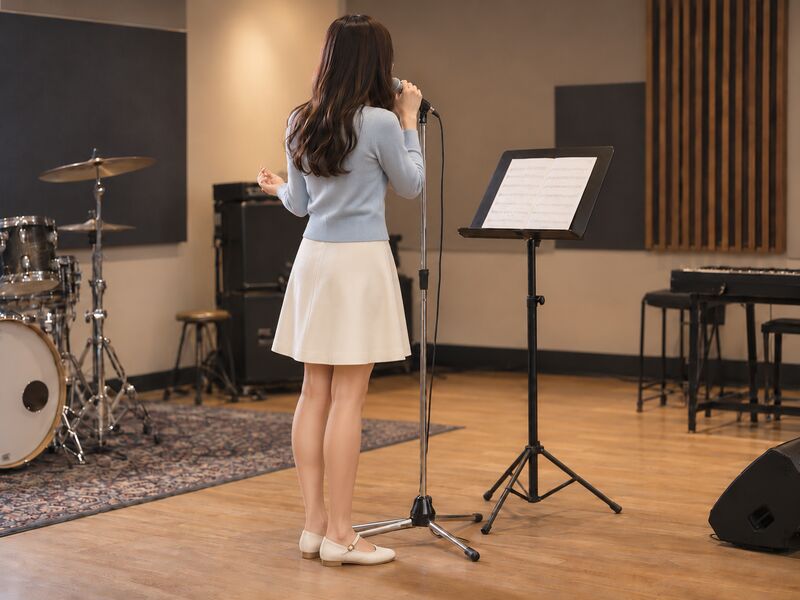
This helps explain why “idol” is not an exact substitute for “singer.” It may describe a career built around continuing interest in the performer as well as in the music. In a Nippon.com interview on the idol industry, the work of winning people’s affection sits alongside varied activities such as singing, composing, and designing costumes. No single activity supplies the entire meaning.
“Gravure idol” places that recognition in photographic work. A music idol may appear in gravure, but a gravure idol does not need to release songs. The shared word points to recognition of the person, while the rest of the description tells you where to look for the work.
Where AV Idol Fits Into the Picture
“AV idol” needs its own distinction here. The “AV” part identifies adult-video performance as the work. A gravure photobook presents a person through photographs; an AV production belongs to the adult-video field. A swimsuit, a pose, or the word “idol” cannot establish that someone has performed in AV. The context and the actual work matter more than a visual resemblance.
That distinction does not mean the two worlds never meet. A 2018 case study in the International Journal of Communication describes a performer as an AV idol while also discussing her appearances in mainstream films and television. It is one documented career, not a route every performer follows. It shows how a specific field of work and a wider media presence may coexist.
This is also why “AV idol” and “music idol” should not be treated as interchangeable careers. The first term identifies an adult-video background; it does not establish a musical role. Additional photography, television, or music work has to be understood on its own terms. One introduction cannot supply those other credits.
Why Five Titles Do Not Make Five Separate Boxes
The original puzzle now looks different. These titles do different jobs. “AV actress” identifies a particular field of screen work. “Fashion model” draws attention to the presentation of clothes. “Gravure model” points to photographic features. “Tarento” may cover a wider media presence. “Idol” brings the ongoing relationship with an audience into view.
Sometimes a different introduction reflects a different assignment. Sometimes several activities are happening at once. Japanese Media and Popular Culture describes performers working across music, acting, television, and advertising. A career may also change over time: A former member of an idol group may continue modeling or television work after leaving the group. A change of title might describe a new assignment, parallel work, or a later stage of a career. Those are different stories.
Our imagined performer did not need to become a different person between the coat, the photobook, and the talk show. What changed was the work in front of her and the audience’s reason for watching. The titles make more sense once you can see both.
We are Aoyama Princess, an outcall adult-service business based in Aoyama, Tokyo. This article explores the career vocabulary of Japanese entertainment and media.
